Botanical - Business Card Evaluation
In the competitive landscape of professional networking, the business card remains a tangible touchpoint that can define first impressions. The Botanical - Business Card template addresses this need by offering a design concept rooted in nature, intended for professionals who wish to convey freshness and modernity. This evaluation explores the specific attributes of the template, analyzing its suitability for various industries, its technical specifications, and the practical considerations involved in its customization.
Understanding the Design Concept
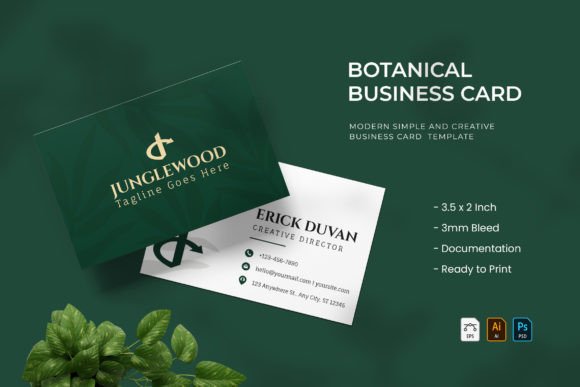
The Botanical - Business Card is not merely a collection of greenery; it represents a shift toward organic aesthetics in corporate identity. The design features a fresh layout that integrates botanical elements with a modern structure. For individuals or companies seeking to move away from traditional, rigid corporate designs, this template offers a visual language that suggests growth, sustainability, and vitality. The creative layout is designed to stand out without sacrificing readability, ensuring that the essential contact information remains the focal point amidst the artistic elements.
The primary appeal of this design lies in its ability to soften the perception of a brand while maintaining professionalism. It is particularly effective for sectors where trust and natural origins are paramount. However, the effectiveness of the design depends heavily on how well the user integrates their specific content into the provided framework.
Technical Specifications and Editability
From a production standpoint, the Botanical - Business Card provides robust support for designers and non-designers alike. The package includes files in three industry-standard formats: AI (Adobe Illustrator), EPS (Encapsulated PostScript), and PSD (Photoshop). This multi-format availability ensures compatibility regardless of the software ecosystem a user prefers. Whether a user works within the Adobe Creative Cloud suite or utilizes alternative vector tools, the core assets remain accessible.
- File Organization: The layers are described as well-organized, which is a critical factor for efficient editing. Complex layer structures often hinder quick modifications, but a logical hierarchy allows users to isolate text, background elements, and graphical accents easily.
- Resolution and Color Mode: The files are set to 300 DPI in CMYK color mode. This specification is essential for high-quality offset printing. Using RGB files for print often results in color shifts, so starting with CMYK ensures that the final printed product matches the digital preview more closely.
- Dimensions: The standard size of 3.5 x 2 inches adheres to the universal North American business card standard. This ensures that the cards will fit into standard wallets, cardholders, and presentation folders without requiring custom sizing adjustments.
Benefits of the Template
The most significant advantage of the Botanical - Business Card is its modifiability. The inclusion of free fonts and comprehensive documentation reduces the friction typically associated with template usage. Users do not need to purchase additional typefaces to ensure the design renders correctly, which simplifies the workflow. Furthermore, the "readme" and documentation files serve as a guide for those less familiar with graphic design software, helping them navigate the editing process.
The dual-page format allows for a distinct front and back strategy. One side can feature the bold botanical artwork to capture attention, while the reverse side can be dedicated to clean typography for contact details. This separation of aesthetic and functional elements is a best practice in card design, preventing clutter and ensuring that the recipient can quickly locate necessary information.
Considerations and Potential Tradeoffs
While the design is versatile, there are specific scenarios where it may require careful handling. The botanical theme is inherently specific. For highly conservative industries such as law, finance, or heavy manufacturing, the organic imagery might be perceived as too casual or niche. In these contexts, a more abstract or geometric design might align better with the corporate culture.
Additionally, the success of the print output relies on the quality of the source images used for the botanical elements. If the user attempts to replace the included graphics with low-resolution photographs, the 300 DPI requirement may be compromised, leading to pixelation in the final print. Users must ensure that any substituted assets meet the same resolution standards as the original templates.
Another consideration is the paper stock. A design with intricate line work or subtle shading, typical of botanical illustrations, benefits significantly from premium paper stocks. Printing on thin, glossy cardstock may wash out the details or make the colors appear flat. Therefore, the cost of materials may need to be factored into the budget to achieve the full effect of the design.
Ideal Use Cases
The Botanical - Business Card is an excellent fit for professionals whose personal brand aligns with nature, wellness, or creativity. It is particularly strong for:
- Health and Wellness Practitioners: Therapists, nutritionists, and yoga instructors often use botanical imagery to reinforce themes of balance and natural healing.
- Environmental Consultants: Professionals in sustainability, landscaping, or conservation can leverage the design to visually communicate their mission.
- Creative Agencies: Graphic designers, illustrators, and photographers looking to showcase a modern, artistic sensibility.
- Organic Brands: Businesses selling eco-friendly products, cosmetics, or food items benefit from the association between the card design and their product values.
When to Consider Alternatives
Conversely, alternatives should be considered if the primary goal is absolute minimalism or maximum data density. If a user needs to list multiple phone numbers, email addresses, social media handles, and a QR code simultaneously, a design with a heavier graphical presence might crowd the layout. In such cases, a template with ample white space and a grid-based system would be more practical.
Furthermore, if the target audience is international and the design relies heavily on specific cultural interpretations of flora, a neutral, abstract design might be safer to avoid unintended associations. Similarly, if the budget is extremely tight and the user intends to print using a consumer-grade home printer rather than a professional service, the complexity of the design might increase the risk of misalignment or ink saturation issues.
Decision-Making Insights
Selecting the right business card template requires balancing aesthetic appeal with functional utility. The Botanical - Business Card excels in providing a polished, professional look that is easy to customize thanks to its organized layers and standard file formats. It removes the barrier of entry for creating a high-quality card, allowing users to focus on their content rather than the structural design.
To determine if this item aligns with your goals, consider the following checklist:
- Brand Alignment: Does your company's ethos match the organic, fresh vibe of the design?
- Content Volume: Do you have enough concise information to fit comfortably on a 3.5 x 2 inch card without overcrowding?
- Printing Plan: Are you prepared to invest in a print run that supports the CMYK and 300 DPI requirements for optimal quality?
- Software Access: Do you have access to Adobe Illustrator, Photoshop, or a compatible viewer to edit the AI, EPS, or PSD files?
If the answer to these questions is affirmative, the Botanical - Business Card serves as a reliable tool for establishing a memorable professional identity. By combining a modern concept with a user-friendly technical structure, it offers a practical solution for those ready to elevate their corporate identification piece.