Elevating Professional Identity with Modern Business Card Designs and Premium File Formats
In an era where digital networking often supersedes physical interaction, the humble business card has undergone a radical transformation. It is no longer merely a piece of paper containing contact details; it has evolved into a tangible representation of a brand's ethos, design sensibility, and attention to detail. For professionals, creators, entrepreneurs, and marketers, the demand for Modern Business Card Designs reflects a broader shift in how we perceive value and identity in the marketplace. This article explores the significance of these contemporary designs, the technical specifications that ensure their quality, and why they remain a critical tool in a fluid professional landscape.
The Evolution of Professional Networking Tools
The traditional approach to business cards was functional but often static. Today, the market demands dynamic, visually striking, and technically versatile assets. Modern Business Card Designs are not just about aesthetics; they represent a convergence of creative expression and practical utility. As industries become more competitive, the first impression a potential client or partner receives can be the deciding factor in securing a relationship. A well-crafted card signals competence, creativity, and a forward-thinking mindset.
This trend aligns with the broader movement toward personalized branding. Consumers and B2B clients alike are increasingly skeptical of generic templates. They seek unique visual identities that stand out in a crowded inbox or a bustling conference hall. The rise of remote work and the gig economy has further accelerated this need. Freelancers and solopreneurs must wear multiple hats, acting as their own marketing department. In this context, having high-quality, ready-to-use design assets allows them to maintain a professional image without the overhead of hiring a full-time graphic designer.
Bridging Creativity and Technical Precision
While the visual appeal is paramount, the underlying technical structure of a modern business card package is what truly sets it apart from amateur creations. The latest offerings in this space are built on a foundation of precision, ensuring that the final product looks flawless whether printed on premium stock or displayed digitally.
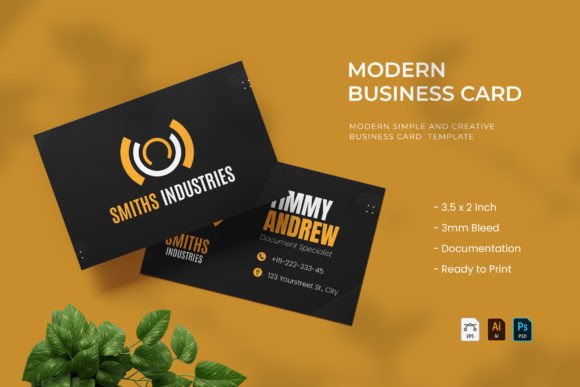
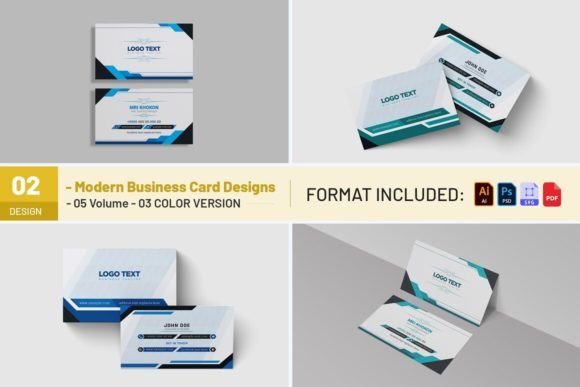
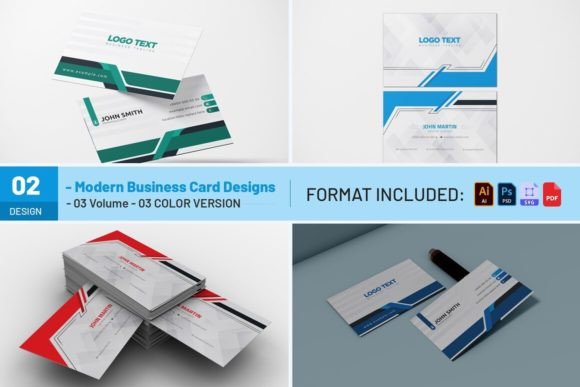
A comprehensive package typically includes 03 Unique Design Size Included 3.5x2 variations. This specific dimension adheres to international standards while allowing for slight creative deviations that catch the eye. However, the true power lies in the versatility of the file formats provided. To cater to diverse workflows, these packages include 5 Formats Included Illustrator Ai, Illustrator EPS ,Photoshop PSD, Adobe Acrobat PDF , SVG.
- Illustrator Ai and EPS: These vector-based formats are essential for designers who need to edit elements, change colors, or adjust layouts without losing quality. They ensure scalability, meaning the design remains crisp at any size.
- Photoshop PSD: For users who prefer pixel-based editing or complex layering effects, the layered PSD files offer complete control over the visual composition.
- Adobe Acrobat PDF: This is the industry standard for print production. High-resolution PDFs ensure that the printer receives exactly what the designer intended, minimizing errors during the manufacturing process.
- SVG: Scalable Vector Graphics represent the future of web and mobile integration. An SVG file allows the card design to be used seamlessly in digital portfolios, websites, and email signatures, bridging the gap between physical and digital presence.
Technical Specifications for Print Perfection
One of the most common pitfalls in creating business materials is the mismatch between screen color and print output. To combat this, professional packages specify 300 DPI CYMK Color Mode. Understanding these specifications is crucial for anyone looking to produce high-quality results.
DPI (Dots Per Inch) refers to the resolution of the image. At 300 DPI, the print quality is sharp and clear, avoiding the pixelation that can ruin a professional presentation. CMYK (Cyan, Magenta, Yellow, Key/Black) is the color model used for printing, distinct from the RGB model used for screens. By providing files pre-configured in CMYK, designers eliminate the guesswork and color shifting that often occurs when converting images for print. This attention to detail ensures that the vibrant colors seen on a monitor translate accurately onto the physical card, preserving the brand's integrity.
The Role of Typography in Brand Storytelling
Typography is the voice of a design. In the realm of Modern Business Card Designs, font selection is never arbitrary. It communicates tone, personality, and hierarchy. Recognizing the importance of legal and aesthetic consistency, these premium packages include Volume - 03 All Font Link Included Download Main File.
This feature addresses a significant pain point for many designers: font licensing and availability. Often, a beautiful design is rendered unusable because the recipient does not have the specific typeface installed. By providing direct links to download the main fonts, the creator ensures that the design remains intact regardless of the user's software environment. Furthermore, the instruction to use Google Fonts emphasizes accessibility and ease of use. Google Fonts offers a vast library of open-source, free-to-use typefaces that are optimized for both screen and print. This approach democratizes design, allowing freelancers and small business owners to access professional-grade typography without incurring additional costs or legal risks.
Adapting to Changing Workflows and Expectations
The relevance of these modern design suites extends beyond the initial creation phase. They fit seamlessly into evolving workflows that prioritize speed and adaptability. Consider the scenario of a marketing agency pitching to a new client. They may need to present a mockup of the client's business card instantly. With a robust set of files including AI, PSD, and SVG, the team can quickly customize the template, swap out logos, and deliver a polished concept within minutes.
Similarly, for the entrepreneur launching a startup, the ability to switch between print-ready PDFs and digital SVG versions is invaluable. A founder might need to print cards for a launch event while simultaneously updating their LinkedIn profile or website with a digital version of the card. Having all formats in one package streamlines this process, reducing the friction between different stages of the business lifecycle.
Why Professionals Are Investing in Quality Assets
The market response to these comprehensive design packages indicates a clear trend: professionals are willing to invest in quality assets that save time and elevate their brand. In a competitive economy, the cost of a poorly designed card—lost opportunities, damaged credibility, or the expense of reprinting—is far higher than the investment in a premium design bundle.
Moreover, the inclusion of free font usage via Google Fonts aligns with the growing emphasis on sustainable and ethical consumption. By utilizing open-source resources, businesses reduce their environmental footprint associated with proprietary software licenses and ensure long-term compatibility. This forward-looking approach resonates with a generation of consumers and partners who value transparency and efficiency.
Conclusion: A Strategic Investment in Your Brand
The transition from basic contact information to sophisticated Modern Business Card Designs is a testament to the changing nature of professional interaction. It is no longer sufficient to simply share a phone number; one must convey a narrative, a style, and a promise of quality. By leveraging packages that offer unique sizes, extensive format options like Illustrator Ai, Photoshop PSD, and SVG, and strict adherence to 300 DPI CMYK standards, professionals can ensure their brand leaves a lasting impression.
Whether you are a seasoned marketer refining your agency's toolkit or a freelancer building your personal brand from the ground up, the right design assets provide the foundation for success. They bridge the gap between creative vision and technical execution, empowering you to navigate the modern business landscape with confidence. As we move forward, the tools we use to introduce ourselves will continue to evolve, but the core principle remains unchanged: first impressions matter, and they should be unforgettable.