Swiss Style - ID Card: The Blueprint for Modern Professional Identity
In the rapidly evolving landscape of professional networking and personal branding, the physical business card remains a potent tool. However, its effectiveness is no longer derived from ornate designs or cluttered information. Instead, it relies on clarity, hierarchy, and a distinct visual language that communicates competence at a glance. This is where the Swiss Style - ID Card concept becomes essential. Rooted in the international typographic style of the mid-20th century, this approach prioritizes readability and objective communication, making it an ideal choice for fashion, lifestyle, photography, and architecture professionals.
The core philosophy behind this design aesthetic is simple yet profound: form follows function. By stripping away unnecessary decoration, the focus shifts entirely to the content itself. For the modern creator or business owner, adopting this template means embracing a layout that is not only visually striking but also incredibly functional. It transforms a standard piece of paper into a statement of precision and taste.
The Philosophy of Minimalism in Professional Design
To understand why the Swiss Style - ID Card has become a staple for high-end professionals, one must first appreciate the principles of Swiss Design. Emerging in Switzerland during the 1950s, this movement rejected the decorative excesses of previous eras in favor of clean lines, sans-serif typography, and asymmetric layouts. The goal was to create a universal visual language that could be understood by anyone, regardless of their native language or cultural background.
When applied to a business card, these principles result in a design that feels timeless. Unlike trends that come and go with the seasons, the minimalist approach ensures that your contact information remains legible and impactful years down the line. The use of strong fonts creates a solid foundation for the text, while the modern, simple, and unique layouts guide the viewer's eye naturally across the page. This deliberate arrangement prevents the cognitive overload often associated with poorly designed cards, ensuring that the recipient remembers who you are and what you do.
This aesthetic is particularly well-suited for industries where visual clarity is paramount. Photographers can let their work speak through the negative space; architects can demonstrate their appreciation for structure and balance; fashion designers can showcase their understanding of current trends without appearing dated. The simplicity of the design acts as a frame, allowing the individual's brand identity to take center stage.
The Power of Strong Typography
Typography is the backbone of any successful design, and in the context of a Swiss-style card, it becomes the primary vehicle for communication. The template utilizes strong, bold typefaces that command attention without shouting. These fonts are chosen for their legibility and neutrality, ensuring that the message is conveyed clearly and efficiently.
In a world saturated with visual noise, a card featuring crisp, well-spaced text stands out precisely because it does not try too hard. The hierarchy of information is established through font weight and size rather than color or embellishment. Your name might appear in a heavy, bold weight, while your title or role is presented in a lighter, more delicate shade. This contrast creates a natural flow, guiding the reader from the most important element to the supporting details seamlessly.
The choice of typography also reflects the personality of the user. A sharp, geometric font suggests precision and innovation, ideal for technology or engineering sectors. Conversely, a softer, humanist sans-serif might convey warmth and approachability, perfect for consultants or educators. Regardless of the specific font selected, the underlying principle remains the same: clarity above all else.
Structural Integrity and Layout Dynamics
One of the defining characteristics of the Swiss Style - ID Card is its structural integrity. The layout is carefully constructed to maximize the available space while maintaining a sense of order. This is achieved through the use of grids, which serve as an invisible framework to organize elements logically. Even though the final design may appear asymmetrical, every element is placed with mathematical precision.
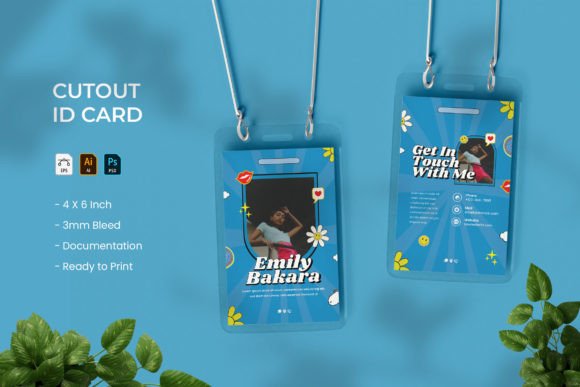
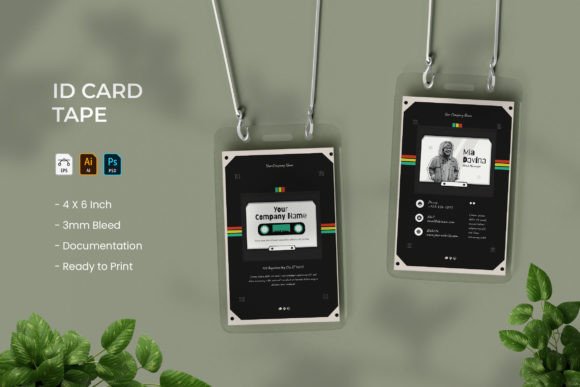
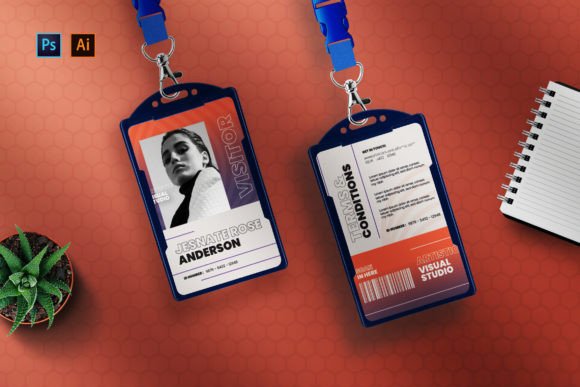
The portrait format offered by this template adds another layer of sophistication. Vertical layouts allow for a different kind of rhythm compared to traditional horizontal cards. They can accommodate taller images or longer lists of credentials without feeling cramped. This orientation is particularly effective for showcasing portfolios or listing multiple areas of expertise, making it a versatile choice for freelancers and agency owners alike.
The two-page design further enhances the utility of the card. It allows for a clear separation between front and back, or perhaps between personal and professional identities. On one side, you might feature your name and logo, while the reverse could hold detailed contact information, social media handles, or a brief bio. This duality provides flexibility, enabling users to tailor the card to specific contexts without needing to print multiple versions.
Visual Balance and Negative Space
Perhaps the most critical aspect of this design style is the masterful use of negative space. Often referred to as white space, this is not merely empty area but an active design element. It gives the content room to breathe, preventing the design from feeling cluttered or chaotic. In the Swiss Style - ID Card, negative space is used to highlight key information and create a sense of luxury and exclusivity.
By leaving ample margins and padding around text and images, the designer draws attention to what truly matters. This technique is especially powerful for photographers and artists who wish to incorporate their own visuals. The surrounding space ensures that the image does not compete with the text but rather complements it, creating a harmonious whole. The result is a card that feels open, airy, and inviting, encouraging the recipient to engage with the content.
Practical Implementation and Customization
While the aesthetic appeal of the Swiss Style - ID Card is undeniable, its true value lies in its practicality. Designed for ease of use, this template empowers users to create professional-grade materials without requiring advanced graphic design skills. The process of customization is streamlined to ensure that anyone, from a seasoned designer to a hobbyist, can produce high-quality results.
The template comes with comprehensive help files included, providing step-by-step guidance on how to modify the design. Whether you need to swap out a placeholder image, change a font family, or adjust the color scheme, the instructions make the process straightforward. This accessibility democratizes design, allowing individuals to maintain full control over their brand identity.
Technical Specifications for Print Excellence
For those concerned with the final output, the technical specifications of this template are robust. It is fully print-ready in CMYK color mode at 300 DPI, ensuring that the colors are vibrant and the resolution is sharp. The dimensions are set at 4 x 6 inches, a standard size that fits comfortably in wallets and cardholders while offering enough surface area for meaningful content.
The file formats provided include AI, EPS, and PSD, catering to a wide range of software preferences. These vector-based formats ensure that the design remains scalable without losing quality, whether it is printed on a small card or scaled up for a large banner. Furthermore, the layers are well-organized, making it easy to isolate specific elements for editing. This organization saves time and reduces the risk of accidental errors during the customization process.
- AI Files: Native Adobe Illustrator files for vector editing and scalability.
- EPS Files: Encapsulated PostScript files compatible with various design applications.
- PSD Files: High-resolution Photoshop documents for raster-based adjustments and photo manipulation.
Diverse Applications Across Industries
The versatility of the Swiss Style - ID Card makes it suitable for a broad spectrum of professions. Its neutral yet sophisticated design allows it to adapt to various contexts, making it a safe and effective choice for almost any industry.
Fashion and Lifestyle
In the fast-paced world of fashion, aesthetics are everything. A card that embodies the principles of minimalism and elegance aligns perfectly with the values of the industry. Designers and stylists can use the clean lines and strong typography to reflect their personal style, while the ample space allows for the inclusion of lookbook snippets or portfolio highlights. The portrait format works exceptionally well for vertical imagery, capturing the full length of a garment or the stance of a model.
Photography and Architecture
For photographers and architects, the visual representation of their work is crucial. The Swiss Style - ID Card offers a gallery-like presentation, where the design recedes to let the images shine. The grid system inherent in the template mirrors the structural rigor found in architectural blueprints, while the emphasis on typography echoes the importance of detail in photographic composition. This alignment between form and content reinforces the professional credibility of the user.
Educators and Researchers
Even in fields where visual flair might seem secondary, such as education and research, a well-designed card can leave a lasting impression. The clarity and organization of the Swiss style convey a sense of intellectual rigor and attention to detail. Educators can easily list their credentials, publications, and contact information in a structured manner, while researchers can highlight their areas of expertise without overwhelming the reader.
Considerations for Long-Term Success
Investing in a high-quality design template like the Swiss Style - ID Card is not just about immediate impact; it is about long-term brand consistency. As businesses grow and evolve, their visual identity should remain stable and recognizable. The timeless nature of this design ensures that your card will not look outdated in a few years, saving you the cost and effort of frequent rebranding.
Moreover, the ease of customization means that you can update the card as your career progresses. If you change jobs, expand your services, or acquire new certifications, simply edit the text and save the file. The robust file structure supports these changes effortlessly, ensuring that your professional identity remains accurate and up-to-date.
In conclusion, the Swiss Style - ID Card represents the intersection of art and utility. It offers a solution that is both beautiful and functional, tailored to meet the needs of modern professionals. By leveraging strong fonts, modern layouts, and a commitment to simplicity, this template enables users to present themselves with confidence and authority. Whether you are a photographer, architect, fashion designer, or educator, adopting this design philosophy can elevate your professional presence and leave a memorable impression on everyone you meet.