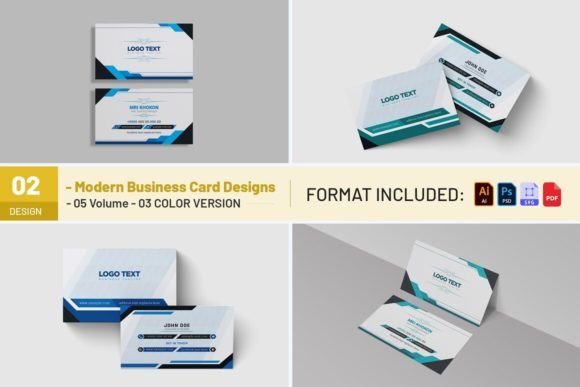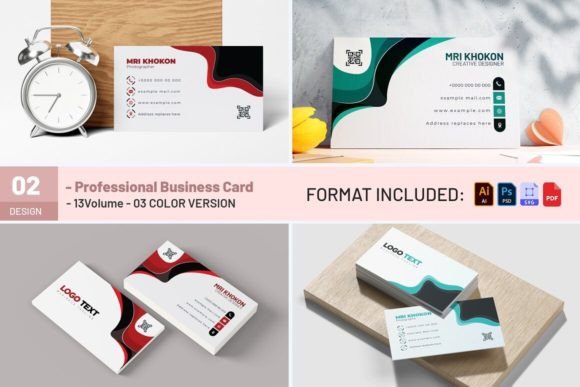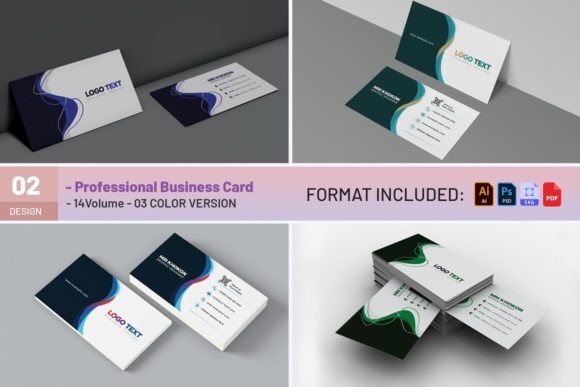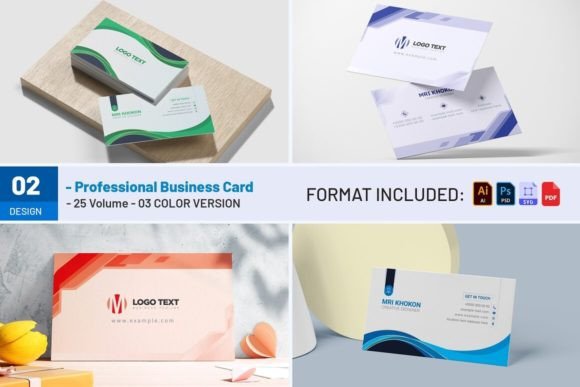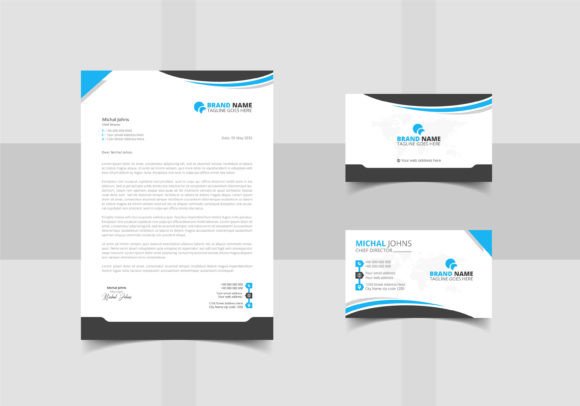
Letterhead and Business Card Design Templates
In the landscape of professional communication, Letterhead and Business Card templates serve as foundational tools for establishing a cohesive brand identity. These assets are not merely decorative; they are functional instruments that convey credibility, consistency, and attention to detail. For individuals and businesses seeking to create a recognizable image, selecting the right design template is a critical step in the branding process. This guide explores the utility of these resources, specifically focusing on high-quality Adobe Illustrator-based solutions that prioritize customization and print readiness.
Understanding Professional Branding Assets
A letterhead is the stationary used for formal business correspondence, while a business card acts as a portable introduction. Together, they form the visual handshake between an organization and its stakeholders. When these elements are designed with precision, they help build a recognizable image that connects effectively with customers. The goal is to ensure that every interaction, whether digital or physical, reinforces the same core values and aesthetic standards.
Modern design solutions often leverage vector-based software like Adobe Illustrator to create these assets. Using formats such as AI (Adobe Illustrator) and EPS ensures that the graphics remain crisp regardless of size. A key advantage of professionally structured files is that all layers are properly organized. This technical organization allows users to edit text, logos, colors, and images without disrupting the underlying layout or compromising the file's integrity.
Evaluating the Benefits of Editable Templates
The primary appeal of using a pre-designed template lies in the balance between professional quality and user control. Unlike static graphic files, editable templates offer significant flexibility. Users can modify specific elements to suit their personal needs without requiring advanced graphic design skills. This accessibility makes them ideal for entrepreneurs, freelancers, and small business owners who may not have a dedicated design team.
Key features that define a robust template include:
- Easy Customizable and Editable: The structure allows for straightforward changes to text content, logo placement, and color schemes, ensuring the final product aligns perfectly with current branding guidelines.
- High-Resolution Output: With a resolution of 300 DPI, these files meet the strict requirements for commercial printing, preventing pixelation or blurriness in the final output.
- Print Ready with Bleed: Proper bleed settings ensure that background colors and images extend to the edge of the paper, eliminating unwanted white borders after trimming.
- Free Fonts Used: To facilitate ease of use, many templates utilize standard fonts that do not require additional licensing fees, reducing barriers to entry for the user.
Reasons to Choose Vector-Based Solutions
When evaluating options for creating Letterhead and Business Card designs, the choice of file format is paramount. Vector-based files, such as those created in Adobe Illustrator, offer scalability that raster images cannot match. This means a logo or design element can be resized from a tiny icon on a business card to a large banner on a letterhead without losing quality. Furthermore, the ability to separate layers provides granular control over the design, allowing for precise adjustments that are essential for professional results.
For those prioritizing a brand identity that suits them personally, the ability to edit every layer is invaluable. It transforms a generic template into a unique asset that reflects the specific tone and style of the individual or company. This level of customization helps in building trust, as clients and partners perceive a well-maintained, consistent visual presence as a sign of reliability.
Tradeoffs and Considerations
While the benefits are substantial, there are considerations to keep in mind when selecting this type of resource. The most significant factor is the requirement for specific software. Since these files are typically provided in AI or EPS formats, users must have access to Adobe Illustrator or compatible software capable of opening vector files. If a user relies solely on basic word processors or online builders that do not support complex vector editing, they may find the workflow challenging.
Additionally, while "free fonts" are a convenient feature, users should verify the license terms if they intend to distribute the design commercially or use it in contexts where font licensing is strictly enforced. Although rare in professional templates, ensuring that all included assets are legally clear for the intended use case is a prudent step.
Another consideration is the learning curve associated with layer management. While the files are described as easily customizable, understanding how to navigate layers, adjust bleeds, and manage color profiles (such as CMYK for print) requires a baseline level of digital literacy. For those unfamiliar with these concepts, the time investment to learn the basics before achieving a polished result should be factored into the decision-making process.
Situations Where This Solution Fits Best
This approach is particularly strong for scenarios where speed, cost-efficiency, and professional quality are paramount. Startups looking to establish a market presence quickly will find value in a template that is print-ready and fully editable. Similarly, professionals launching a side hustle or consulting practice benefit from having a versatile tool that allows them to maintain a high-end look without the expense of hiring a full-service design agency.
It is also an excellent fit for businesses undergoing rebranding. If a company needs to update its contact information or refresh its color palette across multiple touchpoints, an editable template allows for rapid iteration. The ability to change colors and text instantly ensures that the new brand identity is applied consistently across both digital and physical mediums.
Alternatives Worth Considering
However, there are situations where alternatives may be more appropriate. For individuals who lack access to Adobe Illustrator or prefer a purely web-based workflow, drag-and-drop online design platforms might be a better fit. These platforms often handle the technical aspects of print preparation automatically, removing the need to understand bleeds or vector layers.
Furthermore, if the goal is to create a highly bespoke, one-of-a-kind design that involves complex illustrations or custom typography not found in standard libraries, commissioning a custom design project from a graphic designer may yield superior results. While more expensive and time-consuming, a custom project offers a level of uniqueness that a template, by definition, cannot provide.
Making the Right Decision
Determining whether a Letterhead and Business Card template aligns with your goals requires an honest assessment of your technical capabilities and budget. If you have access to vector editing software and possess a willingness to learn the basics of print preparation, these templates offer an efficient path to a professional brand identity. They allow you to take control of your visual narrative while maintaining industry-standard quality.
Conversely, if your priority is absolute simplicity and you are willing to trade off some customization depth for ease of use, alternative online builders might serve you better. Ultimately, the decision rests on balancing the need for a recognizable, professional image against the resources required to achieve it. By understanding the strengths of editable, print-ready vector files, you can make an informed choice that supports your long-term branding objectives.