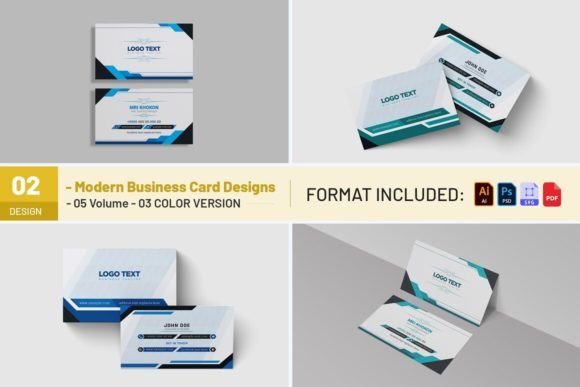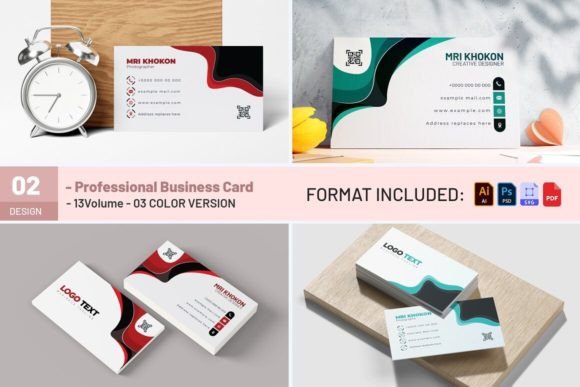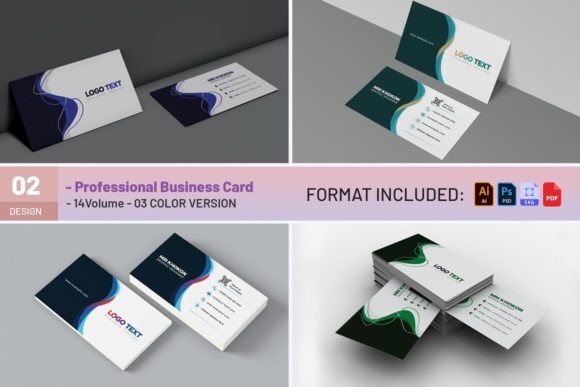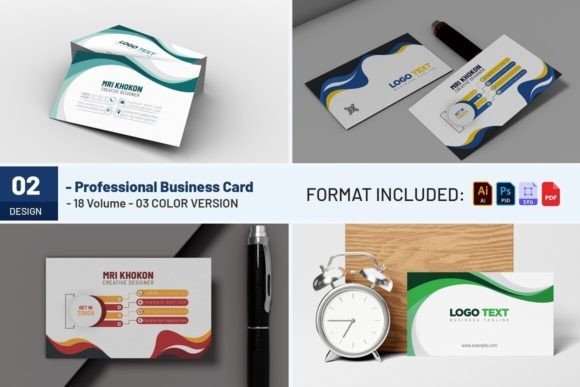
Gradient - Business Card: A Modern Design Template for Impact
In the competitive landscape of professional networking, your physical presence often begins before you even speak. The first tangible interaction a potential client has with your brand is frequently through your Gradient - Business Card. This isn't just a piece of paper; it is a strategic extension of your visual identity. Designed with a fresh concept and a layout that prioritizes modern aesthetics, this template offers a sophisticated way to present your name, contact details, and value proposition without relying on cluttered information or outdated styles.
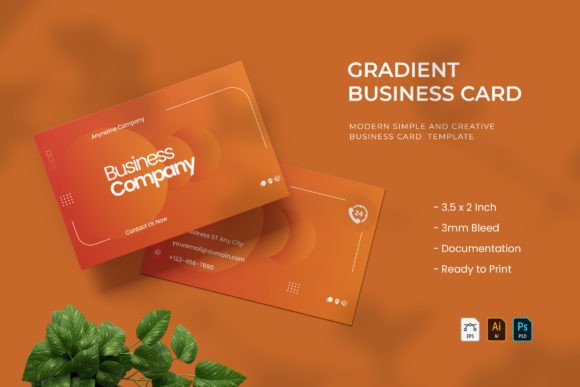
The visual personality of this business card leans heavily into contemporary minimalism infused with dynamic color transitions. The gradient effect serves as more than a decorative element; it creates depth and movement on a static surface, drawing the eye naturally across the card. For designers and entrepreneurs alike, the appeal lies in its balance between boldness and professionalism. It avoids the chaotic nature of overly complex designs while steering clear of the blandness that plagues many standard corporate templates. When you hand someone a card featuring this design, you are signaling that your business is forward-thinking and attentive to detail.
Visual Characteristics and Brand Perception
The core strength of the Gradient - Business Card lies in its ability to influence brand perception immediately. In the world of brand identity, consistency is key, but so is memorability. This template achieves both by utilizing a clean, uncluttered structure that allows the gradient to take center stage. The smooth transition of colors suggests fluidity and adaptability, traits that are highly valued in today's fast-paced market.
From a typographic standpoint, the layout is engineered to support high readability. While gradients can sometimes interfere with text legibility if not handled correctly, this design carefully manages contrast ratios to ensure that your contact information remains crisp and clear. The typography used within the file is selected to complement the background, creating a harmonious relationship between the display font elements and the informational text. This balance ensures that the card functions effectively as an editorial piece, where hierarchy guides the reader from your name to your title, and finally to your contact details.
For small business owners and freelancers, the psychological impact of a well-designed card cannot be overstated. A card that looks professionally crafted implies that the services offered are equally professional. The modern typography and creative layout act as a silent salesperson, reinforcing trust before a conversation even begins. Whether you are a content creator, a marketer, or a craftsperson, having a card that stands out in a stack of generic black-and-white options gives you a distinct advantage.
Versatility Across Creative and Commercial Projects
While primarily designed as a business card, the assets included in this package offer significant versatility for broader applications. The design system is robust enough to be adapted for various design assets beyond the standard 3.5 x 2 inch format. The underlying principles of the layout make it suitable for corporate identification pieces, promotional flyers, or even digital headers for social media graphics.
The inclusion of fully editable files in AI, EPS, and PSD formats means you have complete control over the final output. You can modify the gradient stops, adjust the layering, or swap out the text to fit specific project needs. For instance, a web designer might use the same gradient logic for a landing page hero section, ensuring that their digital presence matches their physical collateral perfectly. Similarly, a publisher could leverage the layout for an editorial cover, where the gradient provides a striking backdrop for headlines.
This flexibility extends to different industries. A tech startup might opt for cooler tones to convey innovation, while a lifestyle blogger might choose warmer hues to evoke comfort. Because the layers are well-organized, making these adjustments is straightforward, even for those who are not advanced graphic editors. The ability to customize the look allows the Gradient - Business Card to serve as a foundational tool for building a cohesive commercial font and visual strategy across multiple touchpoints.
Evaluating Project Fit and Readability
When selecting a template like this, it is crucial to evaluate how it fits your specific project goals. The primary consideration should always be readability. Even the most beautiful gradient will fail if the text is difficult to read. Before finalizing your design, test the card at actual size to ensure that the font weight and color contrast meet accessibility standards. This is particularly important for clients with visual impairments or for situations where the card might be viewed under poor lighting conditions.
Consider the context in which the card will be used. If you are attending a formal industry conference, a subtle gradient might be more appropriate than a vibrant one. Conversely, for a creative workshop or a networking event in the arts sector, a bolder approach aligns better with the environment. The font pairing within this template is pre-configured to work seamlessly, but understanding the nuance of combining a serif font with a sans serif font can further elevate the design. If you decide to experiment with different typefaces, ensure they share similar x-heights and stroke widths to maintain visual harmony.
Another practical aspect to review is the commercial licensing. As a creative font intended for broad use, it is essential to understand the terms under which you can deploy the design. Most templates of this caliber allow for unlimited personal and commercial use, but verifying the license ensures you avoid legal pitfalls when using the design for client work or large-scale branding campaigns.
Practical Implementation and Customization
Getting the most out of the Gradient - Business Card requires a bit of attention to the technical setup. The package includes free fonts and a comprehensive readme document to guide you through the process. Start by opening the main file in your preferred software, whether it is Adobe Illustrator for vector precision or Photoshop for raster effects. Take time to explore the layer organization; a well-structured file makes editing intuitive.
For those looking to add a personal touch, consider experimenting with the gradient angles. A diagonal gradient can create a sense of upward momentum, suggesting growth and progress, while a horizontal flow might imply stability. These subtle shifts can change the emotional tone of the card without altering the fundamental design. Additionally, don't hesitate to test different resolutions. Since the file is set to 300 DPI in CMYK, it is optimized for high-quality print production, but you may need to convert to RGB if you plan to use the design for digital-only purposes.
Ultimately, the goal is to create a lasting impression. By leveraging the modern concept and creative layout of this template, you transform a simple exchange of contact information into a memorable brand experience. Whether you are a seasoned brand strategist or a hobbyist looking to polish your portfolio, the Gradient - Business Card provides the tools necessary to elevate your professional image. It is a practical, stylish, and effective solution for anyone seeking to make a good impression in a crowded marketplace.