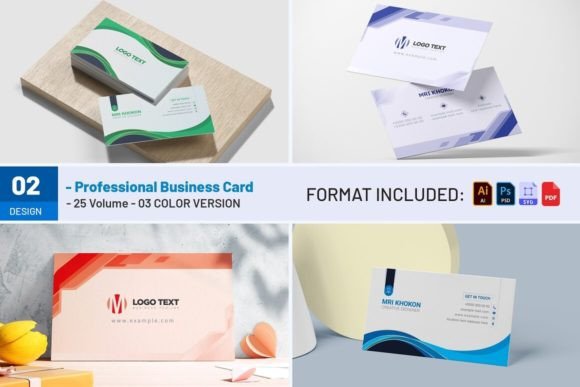
Elevating Professional Presence: The Evolution of Business Card Design 2022
In the rapidly shifting landscape of professional networking, the traditional business card has undergone a significant transformation. While digital contact sharing via QR codes and LinkedIn profiles has become ubiquitous, the physical card remains a tangible symbol of credibility and brand identity. This is where Business Card Design 2022 stands out as a pivotal reference point for creators and entrepreneurs alike. It represents more than just a piece of paper; it is a strategic tool that bridges the gap between personal branding and corporate professionalism.
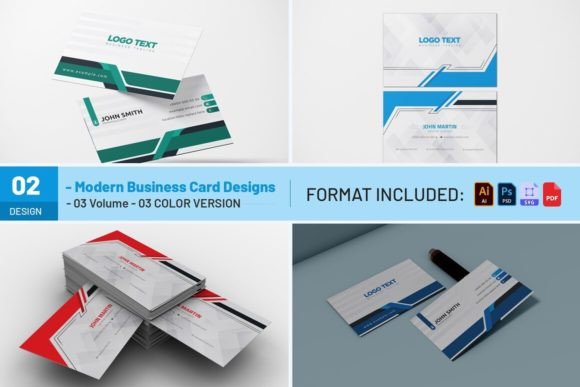
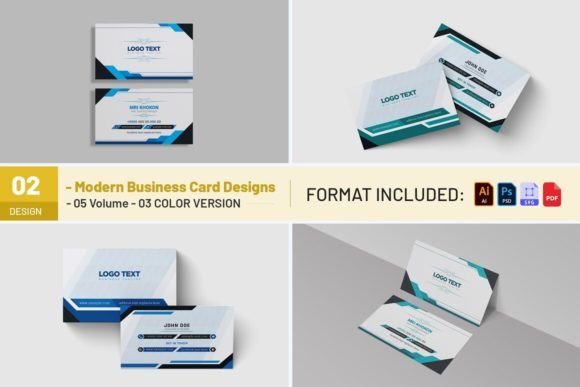
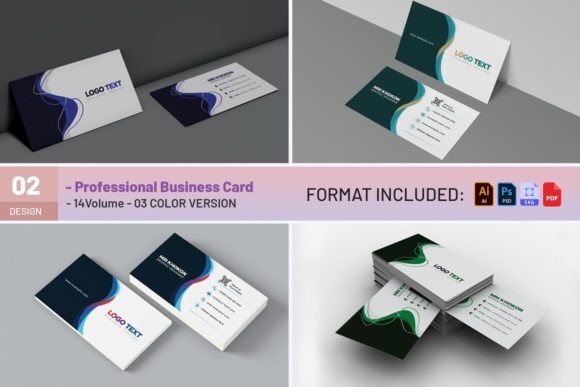
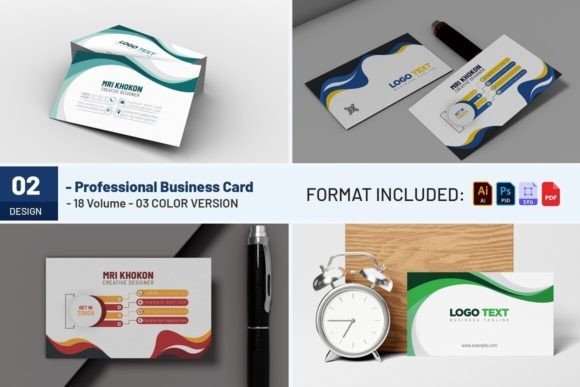
The modern approach to creating these essential marketing materials requires a balance of aesthetic appeal and functional utility. A beautiful multipurpose business card template serves as the foundation for this process, offering a structure that is both versatile and robust. Whether you are a startup founder launching a new venture or an established consultant refining your image, the ability to customize every element is crucial. The clean, modern aesthetic associated with 2022 trends prioritizes whitespace, bold typography, and a cohesive color palette that speaks directly to the viewer's subconscious desire for order and clarity.
The Strategic Value of Customization in Brand Identity
One of the most critical aspects of contemporary branding is the ability to adapt visual assets to specific contexts without losing core identity. A fully customizable design allows professionals to maintain consistency across various platforms while tailoring the message for different audiences. When utilizing a template designed with flexibility in mind, users can easily swap logos, adjust color schemes to match their company guidelines, and modify text to reflect current services or events.
This level of control is particularly beneficial for those involved in advertising and product launches. For instance, a tech company might use a sleek, dark-themed version of a template for a software release event, while using a lighter, airy version for a community workshop. The underlying structure remains the same, ensuring brand recognition, but the presentation shifts to suit the occasion. This adaptability extends to personal identity as well, allowing individuals to create calling cards that reflect their unique personality rather than a generic corporate mold.
The importance of this customization cannot be overstated in a crowded marketplace. Consumers and clients often make split-second decisions based on first impressions. A card that looks tailored and thoughtfully designed suggests a higher level of attention to detail in the work itself. Conversely, a generic or poorly formatted card can undermine even the most impressive qualifications. By leveraging a professional, clean design, individuals ensure that their focus remains on the content they wish to convey rather than being distracted by cluttered layouts or inconsistent formatting.
Technical Precision and Print Readiness
Beyond aesthetics, the technical specifications of a business card play a vital role in its effectiveness. In the world of print production, small errors can lead to costly reprints or a subpar final product. This is why the inclusion of trim and bleed guidelines is non-negotiable for any serious project. These guidelines ensure that when the card is cut to size, the background color or imagery extends slightly beyond the edge, preventing unsightly white borders if the cut is slightly off-center.
A standard dimension of 3.5 x 2 inches remains the industry norm in many regions, providing enough space for essential information without overwhelming the user. However, adhering to this size requires precision. A CMYK color scheme is essential for print-ready documents because it aligns with the four-color printing process used by commercial printers. Unlike RGB, which is used for screens, CMYK ensures that the colors printed match the intended design as closely as possible. This attention to detail is a hallmark of high-quality Business Card Design 2022 resources.
The availability of print-ready documents further simplifies the workflow for designers and non-designers alike. Instead of wrestling with complex pre-press settings, users receive a file that is optimized for immediate submission to a printer. This eliminates the guesswork and reduces the risk of technical rejection, allowing the creator to focus entirely on the creative aspects of the project. Furthermore, the use of free fonts included in the package ensures that the typography remains consistent and legal, avoiding potential copyright issues that could arise from using unlicensed typefaces.
Streamlining the Workflow for Diverse Users
The versatility of modern templates extends to the software formats available for editing. The support for INDD (Adobe InDesign) files provides a powerful environment for detailed manipulation, catering to professional graphic designers who require granular control over layers, effects, and vector graphics. However, the accessibility of these designs does not stop at professional software. Many templates are structured to be easy to edit in various formats, making them accessible to hobbyists, students, and small business owners who may not have extensive design training.
- Instant Access: The concept of instant download revolutionizes the timeline for project completion. There is no waiting for shipping or manual assembly of components. Files are available immediately after purchase, allowing for rapid prototyping and last-minute adjustments.
- Comprehensive Documentation: A help file documentation is often included to guide users through the setup process. This resource explains how to link images, replace text, and manage color swatches, reducing the learning curve for beginners.
- Font Integration: Links to free fonts used in the design simplify the installation process. Ensuring that all typography is present before opening the file prevents layout shifts and maintains the integrity of the design.
This streamlined approach supports a wide range of use cases. Event organizers can quickly generate invites that match their theme. Real estate agents can update property details without redesigning the entire card. Educators can create professional-looking materials for conferences and workshops. The efficiency gained from a well-structured template allows these users to dedicate more time to their core activities rather than struggling with design software.
Applications Across Industries and Events
The "multipurpose" nature of these templates is best understood through their application in real-world scenarios. In the realm of personal identity, a well-designed card acts as a permanent extension of one's professional persona. It conveys reliability and competence, qualities that are essential for freelancers and consultants seeking to build trust with potential clients.
For businesses, the card serves as a primary vehicle for advertising. It is often the first physical touchpoint a customer has with a brand. A launch event benefits significantly from custom-branded cards that introduce new products or services. The design can incorporate specific call-to-action elements, such as QR codes linking to a demo video or a discount code for early adopters. Similarly, for trade shows and exhibitions, the card must stand out among hundreds of others. A clean, modern layout with strong visual hierarchy ensures that key information is absorbed instantly.
Even in the context of formal invitations, the principles of good design apply. An invite sent via a beautifully crafted card creates a sense of occasion and exclusivity. The tactile experience of holding a high-quality, professionally printed card elevates the perceived value of the event. This psychological impact is something that digital invitations often struggle to replicate. The combination of texture, weight, and finish, paired with a thoughtful design, creates a memorable impression that lasts long after the event concludes.
Future-Proofing Your Brand Assets
As we look toward the future of professional communication, the relevance of Business Card Design 2022 lies in its adherence to timeless principles while embracing modern tools. Trends come and go, but the fundamentals of readability, contrast, and clear hierarchy remain constant. By investing in a template that is built on these solid foundations, professionals ensure that their materials remain effective for years to come.
The emphasis on a 100% editable document means that the asset grows with the user. As a brand evolves, the card can evolve with it. New services can be added, old ones removed, and contact information updated without needing to commission a completely new design. This longevity offers excellent value and sustainability, reducing the waste associated with constantly reprinting outdated materials.
Furthermore, the inclusion of fast and friendly customer service support addresses the inevitable questions that arise during the design process. Whether it is a query about font licensing or assistance with color calibration, having access to expert guidance ensures that the final output meets professional standards. This support network adds a layer of security for the buyer, knowing that they are not alone in the creation process.
In conclusion, the journey from a simple idea to a polished business card involves careful planning and execution. By selecting a template that offers professional quality, ease of editing, and technical precision, users can create materials that truly represent their brand. Whether for a personal identity, a corporate launch, or a special event, the right design makes all the difference. It transforms a simple exchange of contact information into a meaningful interaction that fosters connection and opportunity.
The shift towards digital downloads and customizable templates has democratized access to high-end design. No longer is exceptional visual communication reserved for large corporations with massive budgets. Today, anyone with a vision can bring it to life using the right tools. As the market continues to evolve, the demand for clean, modern, and fully adaptable designs will only increase. Those who embrace these changes and utilize resources like the comprehensive templates discussed here will find themselves ahead of the curve, ready to make a lasting impression in an increasingly competitive world.
Ultimately, the success of a business card lies not just in its appearance, but in how effectively it communicates the essence of the individual or organization behind it. By focusing on practical understanding and real-world application, we can appreciate the true value of these small yet powerful artifacts. They are the handshake of the modern age, bridging the gap between the digital and the physical, and paving the way for future connections.