Elevate Your Professional Identity: The Power of Modern Corporate ID Cards
In the fast-paced world of modern business, first impressions are often made in a matter of seconds. Whether you are attending a high-stakes conference, meeting a potential client for the first time, or simply walking through the office doors, your Corporate ID Card serves as your visual handshake. It is more than just a piece of plastic or paper; it is a tangible representation of your brand's identity, professionalism, and attention to detail. This article explores why adopting a modern concept with fresh designs for your corporate identification is essential for making a lasting impact.
The Strategic Importance of a Well-Designed ID Card
Many professionals view an ID card merely as a functional necessity—a tool for security access or employee verification. However, this perspective overlooks the immense marketing potential embedded within such a small item. A well-crafted ID card acts as a powerful promotional item that can impress any potential client or partner. When you hand over a card with a generic, outdated layout, you risk appearing out of touch with current trends. Conversely, presenting a card with a creative layout signals that your company values innovation and quality.
The purpose of a modern corporate ID card extends beyond mere identification. It builds trust. In an era where digital fraud and impersonation are concerns, a professionally designed card with clear, legible information assures the recipient of your legitimacy. Furthermore, it reinforces brand consistency. By incorporating your company's color palette, typography, and logo into the design, you create a cohesive brand experience that resonates with your audience long after the initial interaction has ended.
Why "Fresh" Designs Matter in Business
Design trends evolve rapidly, reflecting changes in technology, culture, and aesthetics. What looked cutting-edge five years ago may now appear dated. Utilizing a modern idea in your ID card design ensures that your brand remains relevant. A fresh design demonstrates that your organization is forward-thinking and adaptable. For instance, minimalist layouts with ample white space often convey sophistication and clarity, while bold geometric patterns might suggest energy and dynamism. Choosing the right style depends on your specific industry, but the key is to avoid clutter and ensure the message is immediate and clear.
When a potential client sees a unique and visually appealing ID card, it sparks curiosity. It suggests that if the details on the card are so carefully considered, the services or products offered by the company must be equally high-quality. This psychological association is crucial for building credibility in competitive markets.
Customization: Making the Design Yours
One of the most significant advantages of using professional templates for your corporate needs is the ability to modify them for your ease of comprehension and customization. You do not need to be a graphic design expert to create a stunning ID card. With the right tools, you can put in some text, swap out images, and adjust colors to perfectly match your corporate identity.
This modifiable nature allows for flexibility. Perhaps you have multiple departments, each requiring a slight variation in color coding. Or maybe you need to update contact information frequently without redesigning the entire card from scratch. A flexible template ensures that these updates are seamless. You can easily replace placeholder text with your actual name, title, and contact details, ensuring that the final product is ready to go immediately.
Technical Specifications: The Backbone of Quality
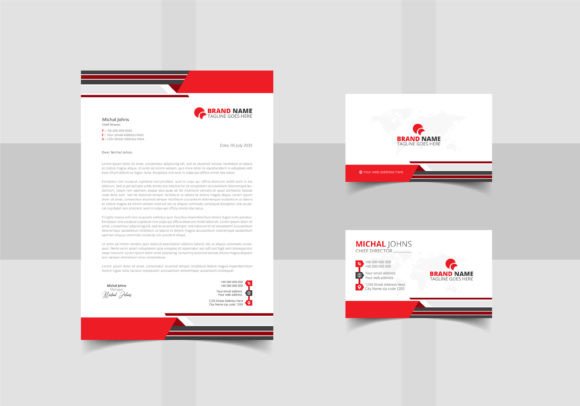
While the visual appeal is paramount, the technical specifications of your ID card determine its usability and print quality. To ensure that your design translates perfectly from a digital screen to a physical object, certain standards must be met. Understanding these requirements is vital for anyone looking to produce high-quality materials.
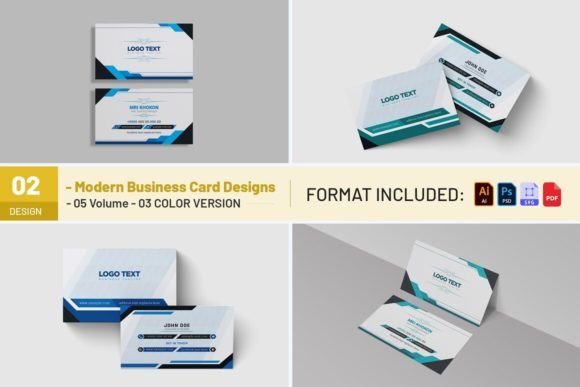
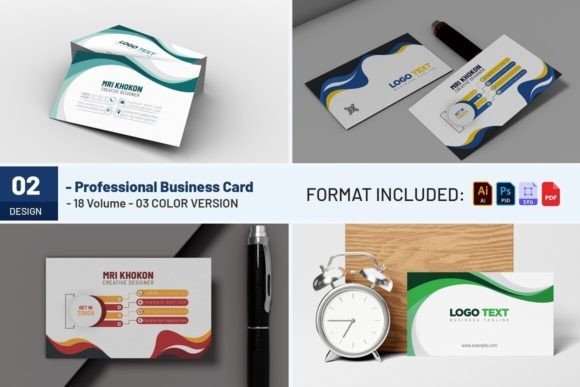
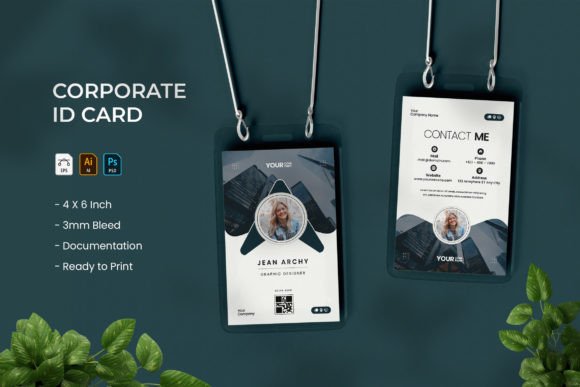
- File Formats: High-quality production requires working with vector and raster files. Having AI (Adobe Illustrator), EPS (Encapsulated PostScript), and PSD (Photoshop) files provides maximum versatility. AI and EPS files are vector-based, meaning they can be scaled up or down without losing resolution, which is essential for different printing sizes. PSD files allow for detailed photo editing and layer management.
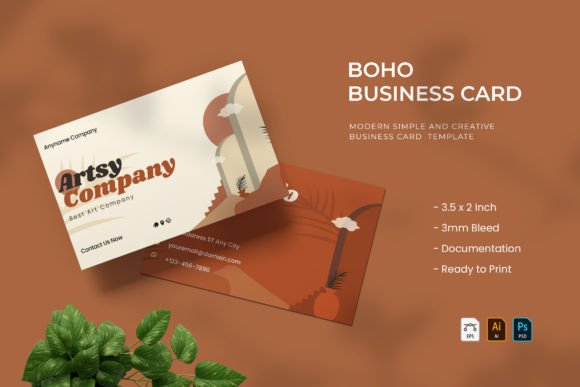
- Dimensions: The standard size mentioned for many corporate cards is 4 x 6 inches. While business cards are traditionally smaller (standard 3.5 x 2 inches), larger formats like 4 x 6 offer more space for information, making them ideal for detailed profiles, team introductions, or event badges. This size provides a commanding presence on a table or in a hand.
- Resolution and Color: For crisp, professional printing, a resolution of 300 DPI (Dots Per Inch) is the industry standard. Anything lower can result in pixelated text or blurry images. Additionally, working in CMYK (Cyan, Magenta, Yellow, Key/Black) color mode is essential for print projects. Unlike RGB (used for screens), CMYK represents the four ink colors used in printers, ensuring that the colors you see on your monitor are accurately reproduced on the card.
- Layer Organization: A well-organized layers structure in your design file is crucial for efficiency. It allows designers to easily isolate elements like the background, text, logos, and photos. This organization makes the editing process intuitive and reduces the risk of accidental errors during customization.
From Concept to Print: The Workflow
The journey of creating a corporate ID card involves several critical steps to ensure the final output is flawless. The process begins with selecting a design that aligns with your brand's vision. Once the concept is chosen, the user engages with the Main File Included package. This package typically contains all the necessary assets to get started.
A common concern among beginners is font compatibility. Fortunately, many professional packages come with Free Fonts Used included in the download. This eliminates the frustration of missing fonts, which can otherwise cause text to default to Arial or Times New Roman, ruining the design intent. If custom fonts are used, documentation usually guides users on how to install them correctly.
Before sending the file to a printer, it is vital to review the Read Me and Documentation files. These resources provide step-by-step instructions on how to open the files, edit the text, and prepare the document for print. They often include tips on bleed areas (extra space around the edge to prevent white borders) and safe zones (where text should be placed to avoid being cut off). Following these guidelines ensures that your project is Ready To Print, saving time and preventing costly reprints.
Practical Applications and Versatility
The utility of a modern corporate ID card extends far beyond internal use. As noted, this item is ideal for use as a business card, corporate identification piece, or promotional item in general.
As a Business Card: In networking scenarios, a 4 x 6 card offers a distinct advantage. It stands out in a stack of traditional small cards and provides room for a QR code linking to a portfolio, LinkedIn profile, or company website. This interactivity bridges the gap between physical and digital networking.
As Corporate Identification: For large organizations, consistent ID cards foster a sense of unity and belonging among employees. They serve as a uniform element that identifies staff members across different locations, enhancing security and operational efficiency.
As a Promotional Item: Consider handing out these cards at trade shows or client meetings. Because of their larger size and premium feel, they are less likely to be discarded immediately. They act as a reminder of your brand, keeping your company top-of-mind for future opportunities.
Conclusion: Investing in Your Image
In conclusion, the decision to upgrade your corporate ID card to a modern concept with fresh designs is an investment in your professional image. It is a simple yet effective way to communicate competence, creativity, and reliability. By leveraging editable templates with high-resolution specs like 300 DPI and CMYK color modes, you ensure that your message is delivered clearly and beautifully.
Whether you are a startup founder looking to make a splash or an established corporation seeking to refresh its identity, the right ID card can be a game-changer. It transforms a mundane requirement into a strategic asset. Remember, in the world of business, perception is reality. Ensure that your perception is one of excellence by choosing a design that truly reflects the value you bring to the table. With the right tools and a clear understanding of design principles, creating a standout corporate ID card is easier than ever before.